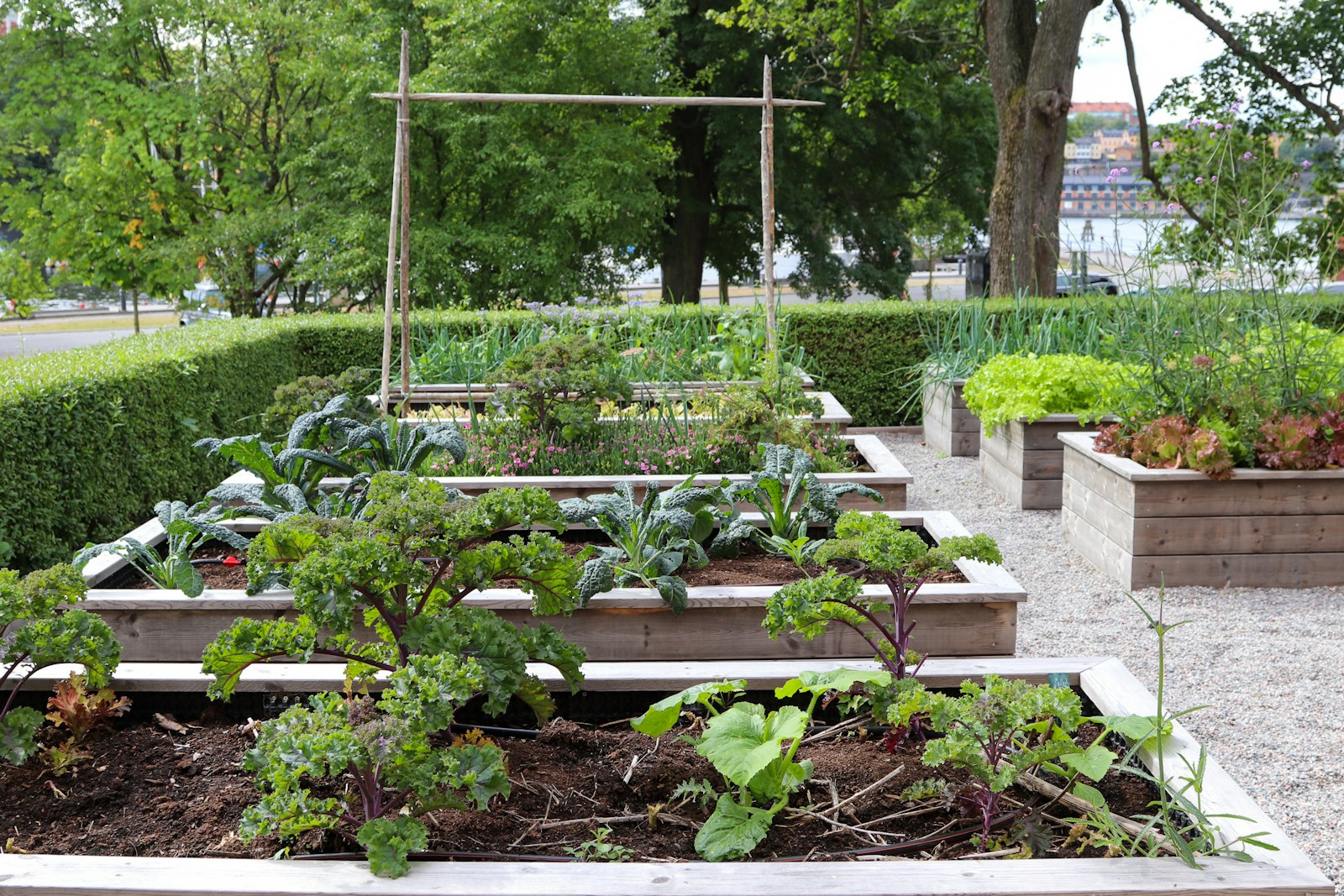
If your vegetable bed gets some direct light but not a full day of sun, choosing crops deliberately can save a season of disappointment. Start with what part of each plant you hope to harvest and what the local light can actually support.
Understand the light categories
Full sun for productive vegetable crops usually means at least six hours of direct light; many fruiting crops prefer more. Partial shade describes a wide range of conditions, and a bed with two hours is not equivalent to one with five.
Iowa State University Extension offers a crop-by-crop shade suitability chart. It cautions that edible plants cannot be expected to produce well in full or heavy shade.
Choose crops by what you harvest
- Leaves: lettuce, spinach, Swiss chard and certain other greens can tolerate more limited sunlight, although harvests may still be reduced.
- Roots and heads: crops such as radish or broccoli may be reasonable trials in light shade, but outcomes depend on heat, variety and season.
- Fruit: tomatoes, peppers, squash and cucumbers generally need the brighter spaces; shade can reduce flowering and yield.
Do not ignore timing or heat
Some cool-season vegetables struggle during very hot spells. A little afternoon shade can sometimes reduce heat stress, but that does not mean the same crop would prefer deep shade all season. Consider whether your site gets morning sun, afternoon sun or brief scattered periods.
The Iowa State guide distinguishes light shade from heavier shade and discusses differences for cool-season crops. Treat those distinctions as a starting point, not a rule that applies equally to every Canadian garden.
Make a shortlist for your own bed
- Measure direct-sun hours over several days.
- Record whether shade comes from permanent buildings or seasonal tree leaves.
- Consult the seed packet’s minimum light and days-to-maturity guidance.
- Choose a small trial with two crops that match the available light.
- Check the harvest and compare it with a sunnier container or bed if possible.
Watch for confounding conditions
Slow plants do not automatically mean the site is too dark. Poor drainage, compacted soil, competing tree roots, cool temperatures and pests can all limit growth. Change one thing at a time where possible and observe the result.
If you are working with a north-facing yard, the north-facing garden guide provides a simple light mapping process. For a broad list of edible candidates see our shade gardening hub.