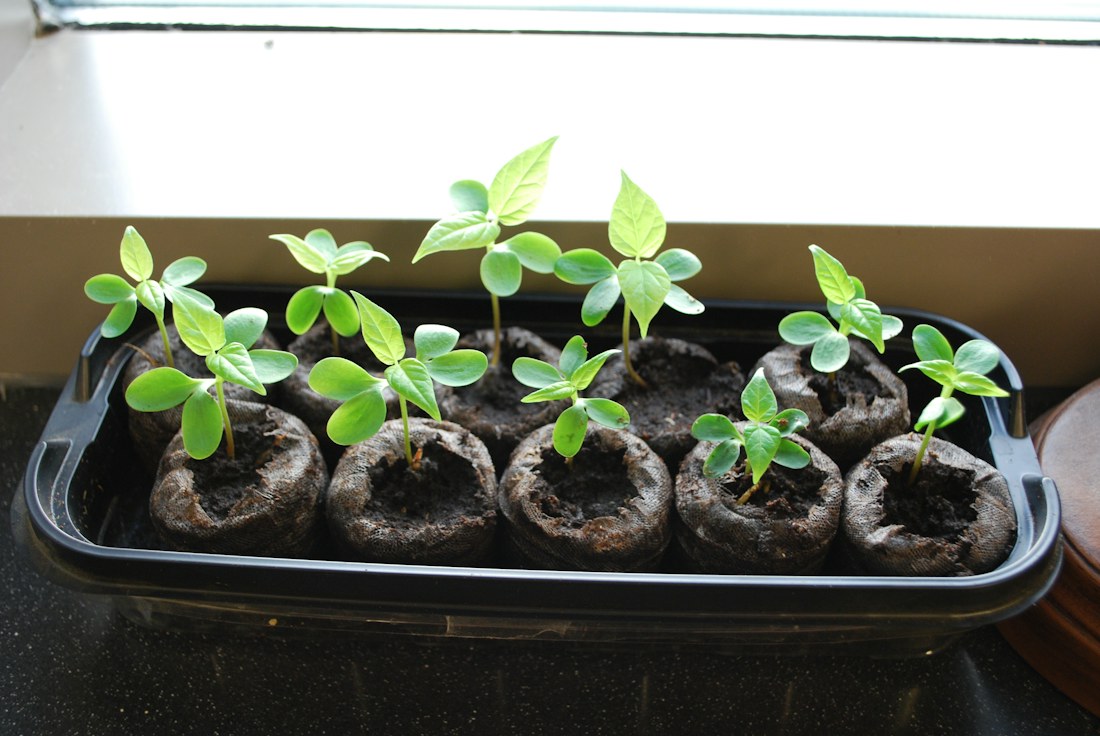
A planting date is more than a calendar reminder. It is a piece of evidence about how your garden responded to a particular spring. Keeping a few actual dates helps you make next year’s plans from what happened, not only from what you hoped would happen.
Start with a simple distinction: planned versus actual
Record the date you intended to sow or transplant, followed by the day you actually did it. Then note one reason for any change: cold soil, a late frost warning, seedlings too small, a wet garden bed or time away from home. That reason gives a date meaning.
Penn State Extension recommends recording planned and completed garden tasks, real frost dates, crop varieties and harvest dates in its garden journal guidance. A small set of records can be kept on paper or digitally.
Which dates are worth keeping?
- Seed started: the day you sowed seeds indoors or outside.
- Emergence: when you saw the first seedlings and whether they appeared evenly.
- Transplant: the actual outdoor planting date and approximate conditions.
- First flowers and harvest: landmarks that help compare varieties and sites.
- Last harvest or removal: useful for understanding the length of your season.
Add enough context to avoid a false conclusion
Suppose tomatoes planted on May 25 did well and those planted May 12 struggled. That doesn’t prove May 25 is always best. The earlier seedlings may have faced a cold spell, different soil, poorer light or transplant stress. Record the weather and plant condition when making comparisons.
Use your local climate normals and the Canadian planting calendar guide for broad context, then add what happened in your own yard. An average last frost is not a promise about any individual spring.
Turn the dates into next year’s decision
- Find two crops you recorded consistently.
- Compare the actual start and transplant windows with the condition of the plants.
- Notice where you repeatedly had to wait or protect seedlings.
- Plan a flexible window, not one compulsory day.
- Keep checking next year’s forecast before planting.
A lightweight example entry
Tomato, cherry variety, raised bed A. Started indoors April 12. Transplanted May 31 after a run of cold nights. Hardened off over the preceding week. First ripe fruit August 4. Next year: aim for healthy seedlings ready around late May, but confirm conditions again.
The example dates illustrate record-keeping only. They are not planting recommendations for another gardener or location.
Keep the journal manageable
Three dates and one sentence may be enough. A long log that never gets updated is less useful than a short record you can find next spring. Our garden journal guide explains what to record without creating extra work.