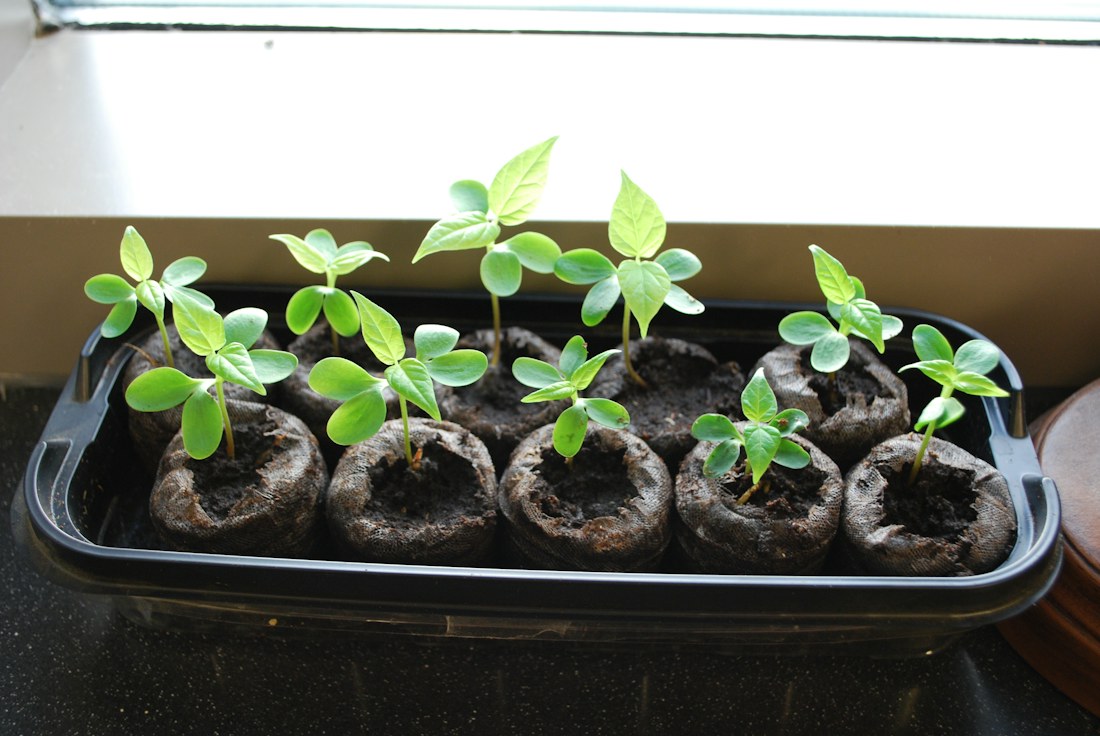
A sunny afternoon does not mean tomatoes are ready to live outdoors all spring. Ontario has a wide range of growing conditions, and tomato transplants can be set back by frost, cold nights and unprepared soil.
Rather than planting on one province-wide date, use a short checklist: local frost risk, actual forecast, soil conditions and seedling readiness. If one of those fails, waiting is usually the safer choice.
1. Check the frost risk for your location
Find the average last spring frost for your area and treat it as a planning reference, not a guarantee. A garden near Lake Erie, a rural low-lying lot and a cooler part of eastern or northern Ontario may experience different conditions.
Agriculture and Agri-Food Canada publishes climate normals maps to help with long-term regional context. Check the actual forecast just before transplanting.
2. Remember that chilling can matter before frost
Ontario Ministry of Agriculture information on tomato transplants notes that prolonged exposure to temperatures below 10°C can cause chilling injury, even above freezing. That guidance concerns commercial plugs, but the temperature risk is relevant context for tender home-grown plants. See Ontario: Plug Transplants for Processing Tomatoes.
A short warm spell does not necessarily mean the next several nights will stay warm. Keep watching for cold weather and protect seedlings while they are still in containers.
3. Check the soil and plant readiness
Tomatoes benefit from warm soil and a prepared planting area. Wet, cold soil is not a good transplanting environment simply because the calendar says it is spring. Plants should be sturdy, adequately rooted and gradually accustomed to outdoor conditions.
University of Minnesota Extension advises transplanting tomatoes outdoors only after frost danger has passed and the soil has warmed. Its tomato guide also explains how to harden off indoor plants.
4. Harden off seedlings before planting
Move indoor-grown seedlings gradually into a sheltered outdoor setting, increasing sun and wind exposure over several days. Bring them inside during unsuitable cold weather. A seedling that is strong under indoor lights may still suffer from sudden full sun or wind.
Is it too early? Five yes-or-no checks
- Frost: Is frost still likely in the local forecast? If yes, wait or plan suitable protection.
- Cold nights: Are upcoming nights persistently chilly for tomato transplants? If yes, consider delaying.
- Soil: Is the planting area still cold, saturated or poorly drained? If yes, improve conditions first.
- Seedlings: Have your plants been hardened off? If no, begin that process before transplanting.
- Protection: Could you respond to an unexpected cold night? If no, choose a more conservative date.
What if the seedlings are getting too large indoors?
Move seedlings to larger containers if roots are crowded, provide adequate light and avoid over-fertilizing just to push growth. Keeping a healthy transplant for a little longer is often preferable to planting into a frost risk. Review our indoor tomato seed-starting guide for next year’s timing.
A note on Ontario dates
Do not use the same transplant date for Windsor, St. Thomas, Ottawa and northern Ontario. Even gardens in the same town can differ due to slopes, shelter and nearby pavement. Reassess each season, and write down when you transplanted and how your plants responded.